
2026-06-26
Maintenance Points for Traction Chains, Tracks, Carriers and Stop Units
Daily maintenance guidance for traction-chain lubrication, track inspection, carrier service and stop-unit adjustment.
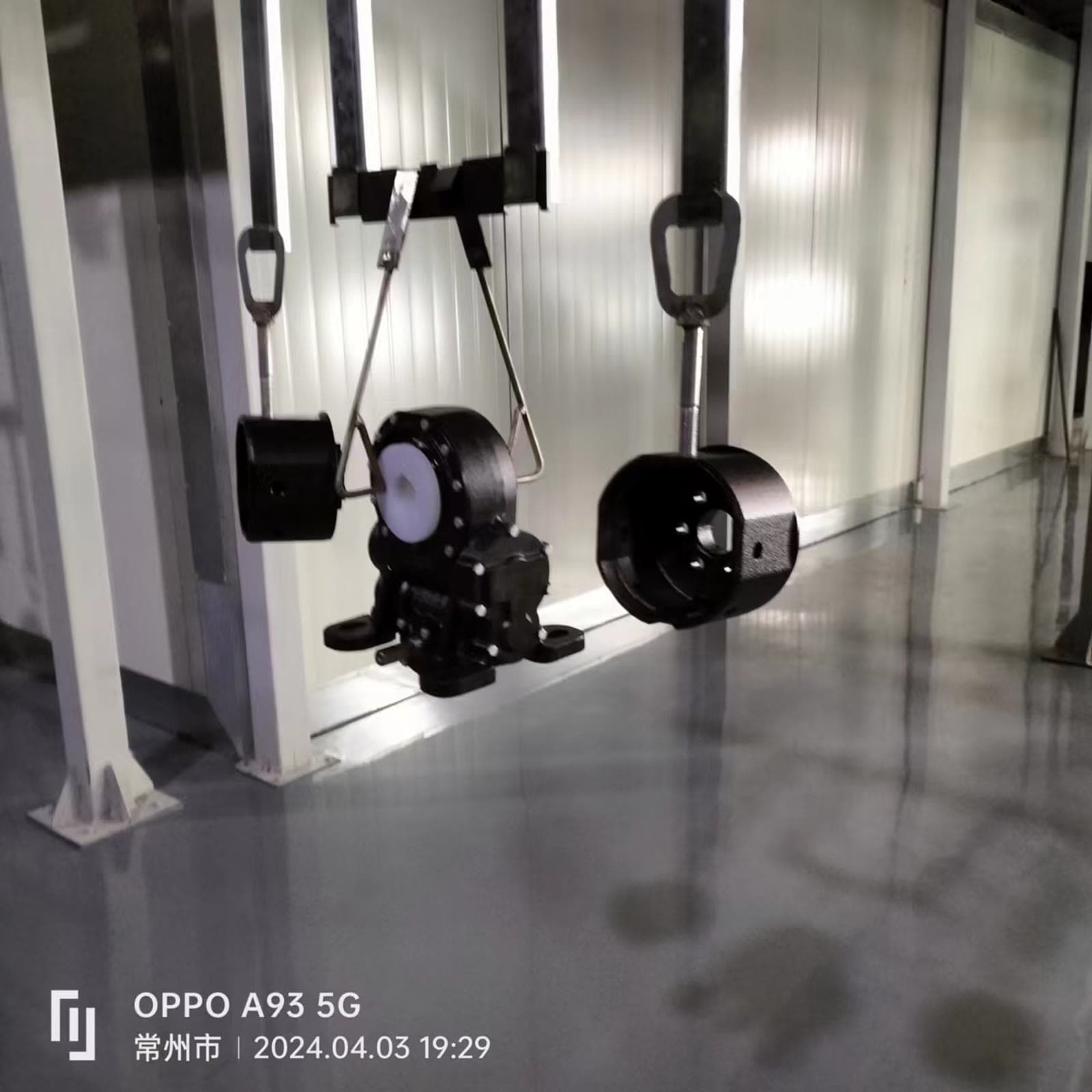
The maintenance goal for an accumulating conveyor system is to keep chains, tracks, carriers and control parts in stable condition. Maintenance should not begin only after a failure. Regular inspection and records help identify wear, looseness, insufficient lubrication and positioning issues early.
Chain maintenance
Traction chain life is affected by chain tension, running speed, tensioning devices, lubrication and the number of curved tracks. After a period of operation, chain components should be inspected, lubricated and maintained according to working conditions.
If the chain becomes too loose or jammed, first check obstacles, load and tensioning condition. Adjusting the tensioner without finding the cause may not solve the issue.
Track inspection
Load tracks and traction tracks should be checked for wear, deformation, curled edges and surface damage. Curved tracks, inspection tracks and support brackets should also be included in periodic checks.
Track issues often increase carrier resistance and chain stress. Early treatment is usually less costly than repair after a line stop.
Carrier and trolley service
An accumulating carrier set usually includes front, middle and rear trolleys plus load beams. Trolley top plates, guide bearings, running bearings and pins are common areas to watch.
For carriers running in high-temperature areas, grease should meet temperature and low-volatility requirements. After greasing, record the position, amount, grease type and recommended next service time.
Stops and positioning parts
Stops, dampers, anti-back devices and position signal units affect whether carriers stop accurately, follow too closely or send stable signals to the PLC. A stop that does not reach position can cause chain jams, carrier jams and overload shutdown.
Routine maintenance should check stop mounting bolts, air pressure, magnetic switches, proximity sensors and related positioning parts. Before restarting after service, confirm carrier locations and stop-unit status.
Maintenance records matter
Numbering carriers, stops, drives and key detection points makes maintenance, failure and repair records easier to use. Better records help distinguish normal wear from issues that may require retrofit work.
Need to discuss a project?
Contact M&J by phone or WeChat with your workpiece, process route, site space and maintenance needs.
Request a Solution